Christmas Crow Black and White Drawing
This page is under construction (6 August 2020) – check back for updates
Original art for sale
A selection of my original artwork and prints are available in the shop.
I am currently not offering commissioned paintings, check back for updates.
Please contact me with any questions.
How to draw birds
In spring 2020 I did a series of ten short videos on how to draw different birds. The whole collection of videos can be found at Audubon and at the Audubon for Kids website, along with coloring pages and step-by-step instructions
Another video – How to draw a penguin – is posted on the Brightly website here.
In fall 2009 I stopped in at the offices of Amazon.com in Seattle, Washington, where I met a couple of young birder/artists and talked about drawing birds. Several short videos from that afternoon are posted here.
My media
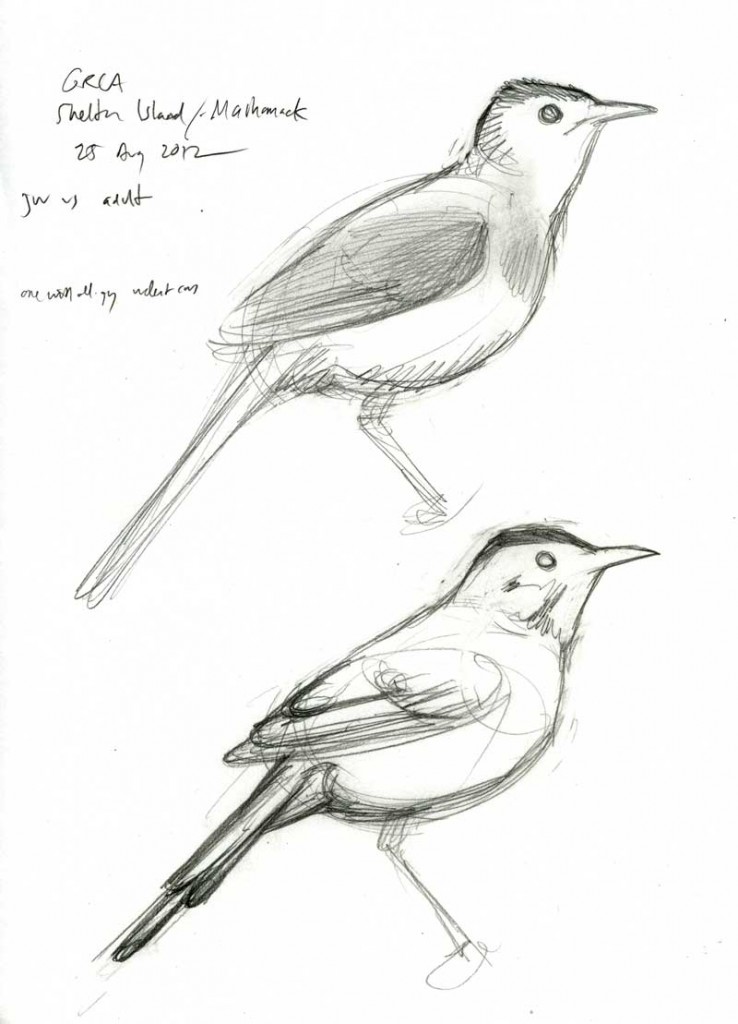
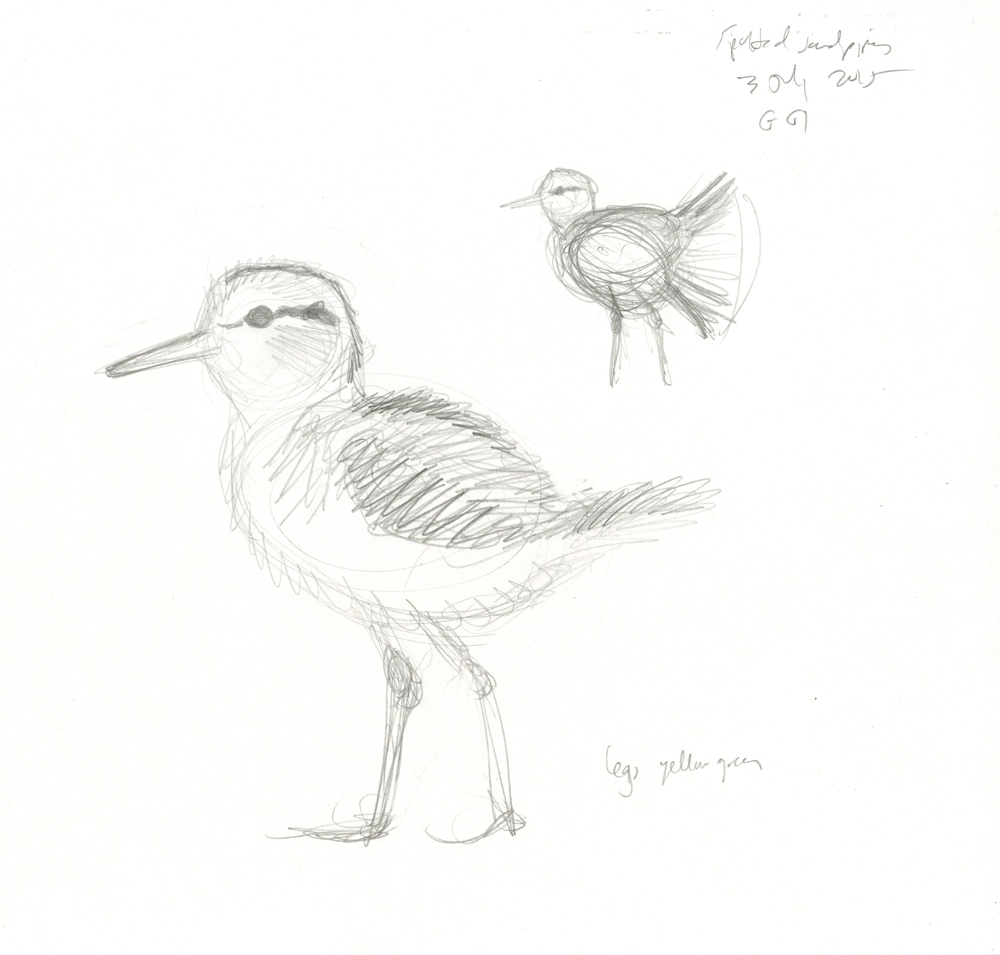
Pencil on paper
For many years, almost all of my artwork was pencil on paper. This was mostly very informal field sketching, quickly drawing shapes and patterns to try to learn and capture the distinctive features of all of the birds I was identifying.
Pen and Ink
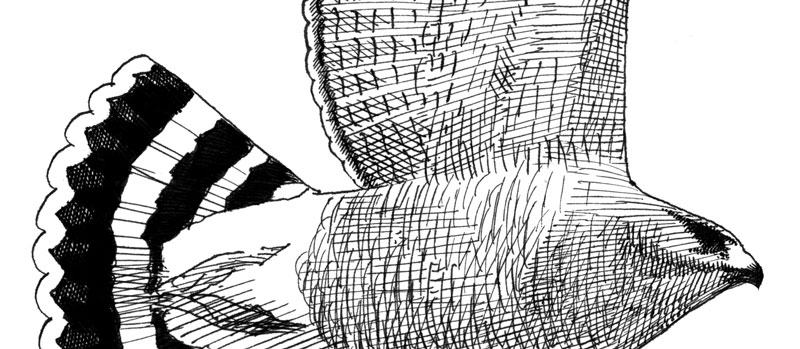
You can read more about my pen-and-ink drawings in this post from 2012.
When I started doing more "formal" work than pencil drawings, those were mainly pen-and-ink. This is just as it sounds – ink drawn on paper with a pen. I used the low-tech crow-quill style nibs, dipped in black ink. It's not too different from pencil drawing, since it involves a single color in lines on white paper, but since the lines can only be black it requires even further simplification. Where a pencil can produce a full range of gray shading, the pen only produces a stark black line. The impression of shading is accomplished by drawing a series of black lines parallel to each other with white space between, and at a distance these lines blend together to be perceived as gray. The more of the white paper is covered by black lines, the darker it looks. So thicker black lines with thin white spaces looks darker than vice versa.
Cross-hatching – adding another set of parallel black lines more or less perpendicular to the first – covers more of the white paper and looks even darker. There are other tricks to drawing with ink, but the most important step is figuring out how to simplify the image to the bimodal black-white color scheme. I enjoyed the challenge.
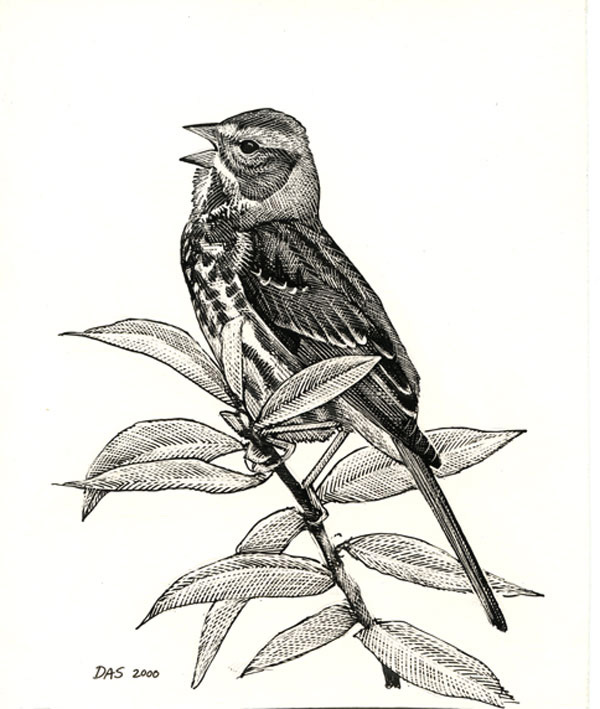
Scratchboard
After the rigorous constraints of ink on paper, I was excited by the possibilities of scratchboard. In this technique, you use a specially prepared board (heavy paper) with a thin coating of fine plaster.
A post about my scratchboard technique is here
Gouache
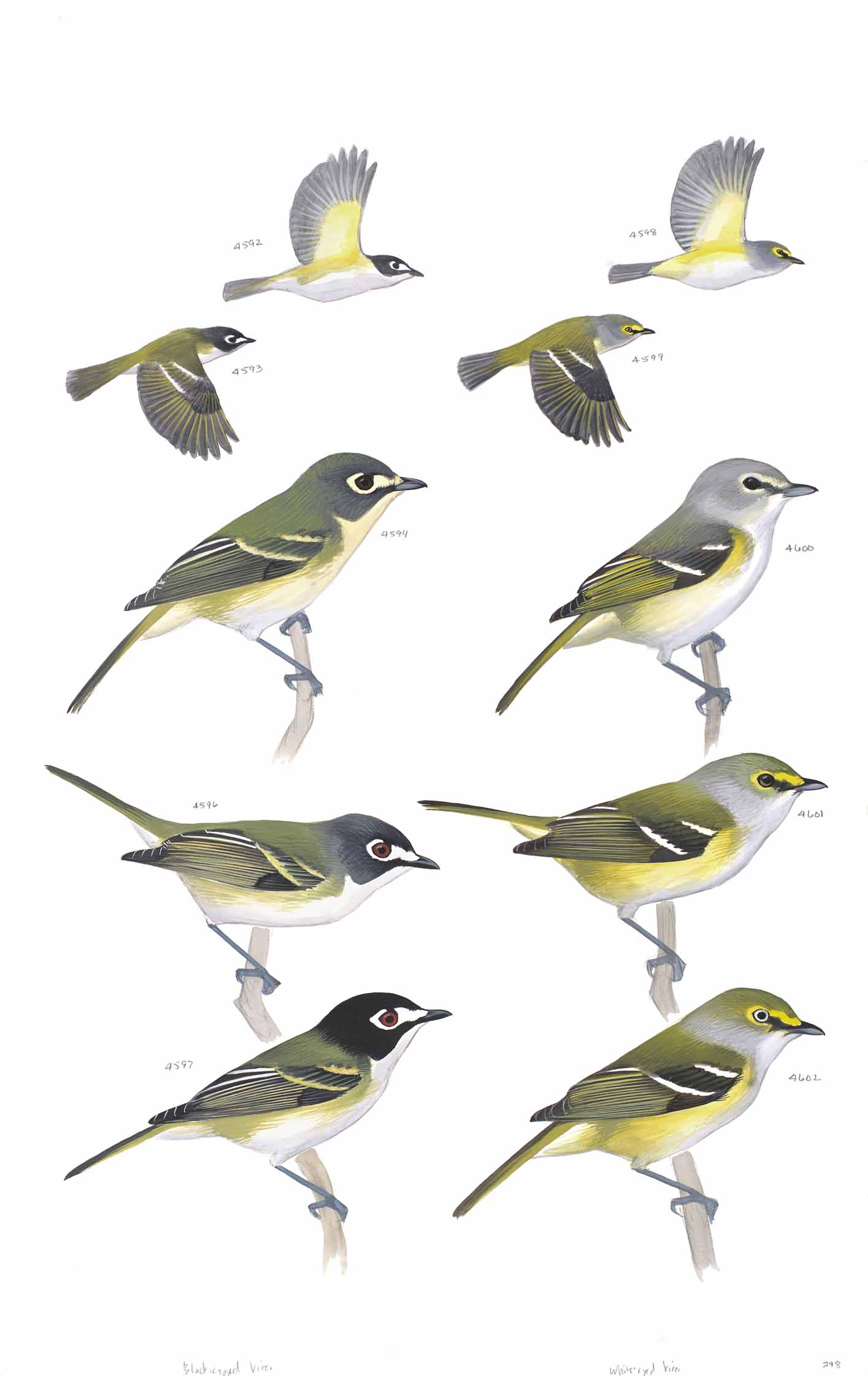
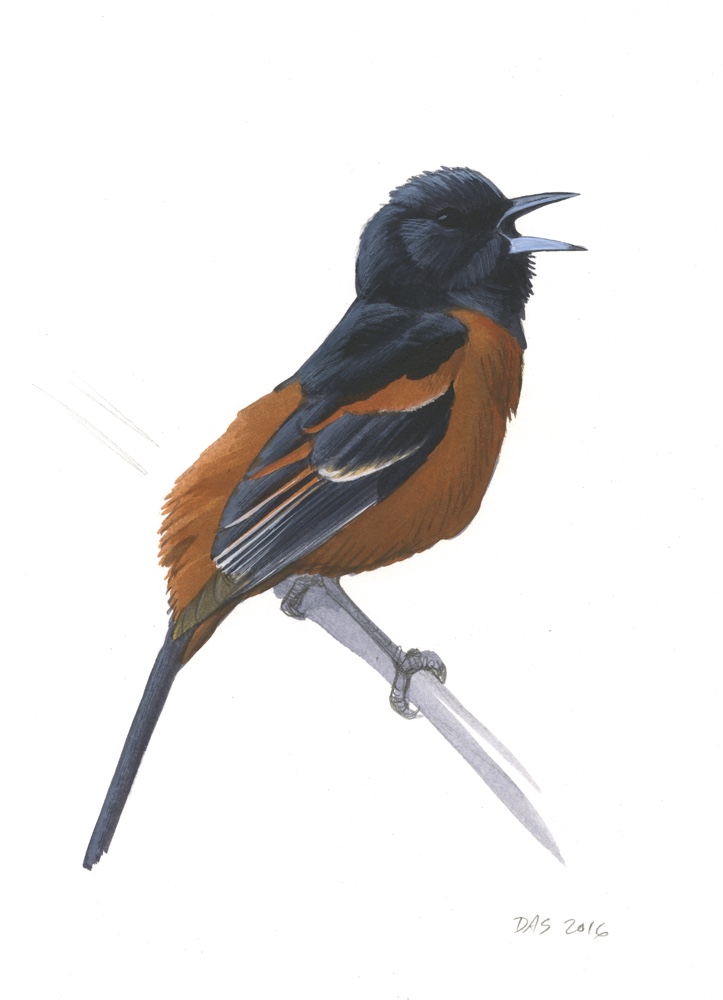
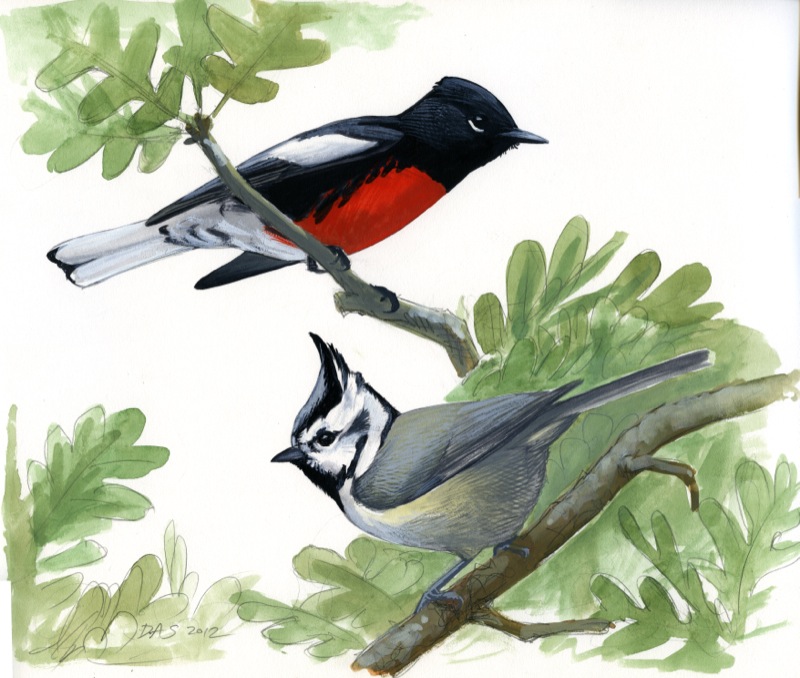
Most of my bird paintings are done with gouache (opaque watercolor) on Strathmore Bristol Board, and over the years I've developed a style involving transparent/translucent layers of paint to represent the colors and textures of birds. All of the paintings in my bird guides – The Sibley Guide to Birds, Eastern and Western field guides, Birding Basics – are done with gouache.
A slideshow showing a painting of a Ferruginous Hawk from start to finish can be found at this post, and the steps of a Northern Saw-whet Owl painting are shown here.
Acrylic
Beginning around 2004 with the illustrations for the Sibley Guide to Trees I have been doing more painting in acrylic. I chose acrylic paint for that book because gouache does not produce a good range of green color, and it's also difficult to achieve the satiny texture of leaves with gouache. Acrylic proved to be much better for painting leaves, and after a few years (and a few thousand illustrations) I felt pretty comfortable with it.
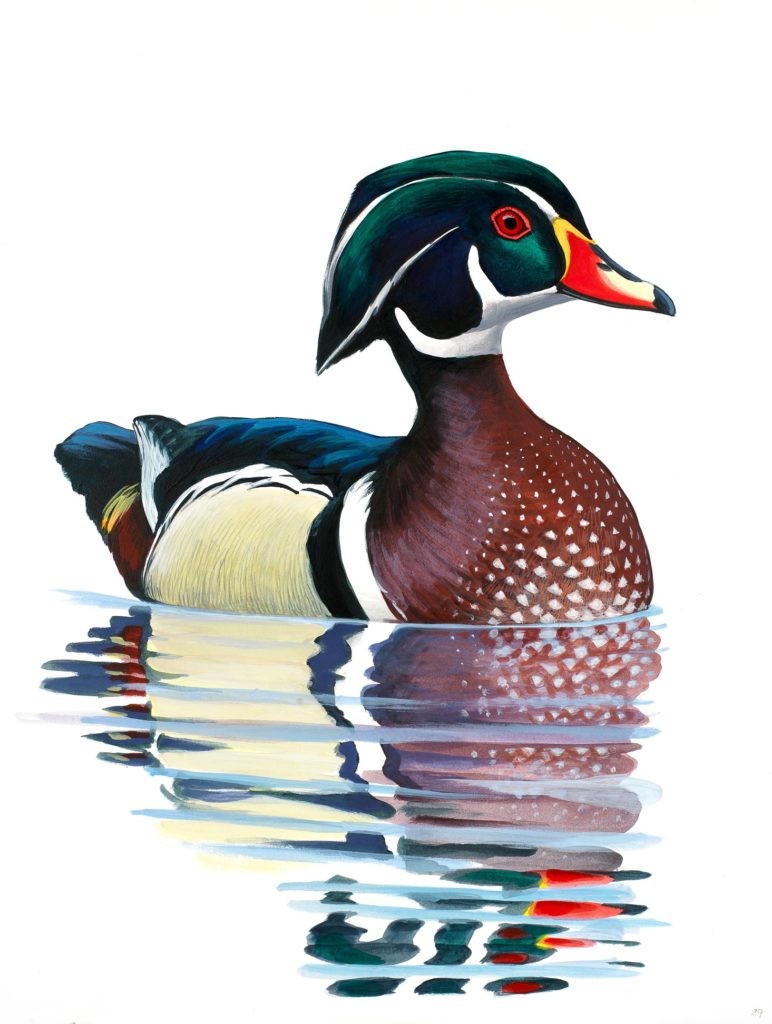
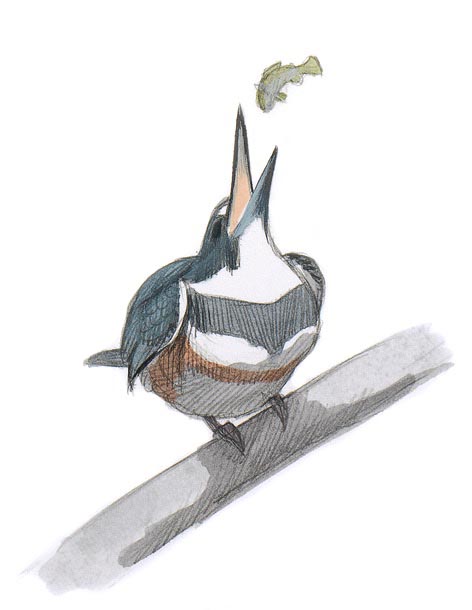
Since then I've used acrylic for a few other paintings, even finger painting, and I chose acrylic for all of the paintings in my 2020 book What It's Like to Be a Bird. I still use acrylic like watercolors, and many of the illustrations in that book are pencil sketches with a light translucent wash of paint (like the Belted Kingfisher below), but the full-page portraits of birds (like the Wood Duck below) use opaque layers to take advantage of the richness and saturation of color that is possible with acrylic.
Digital
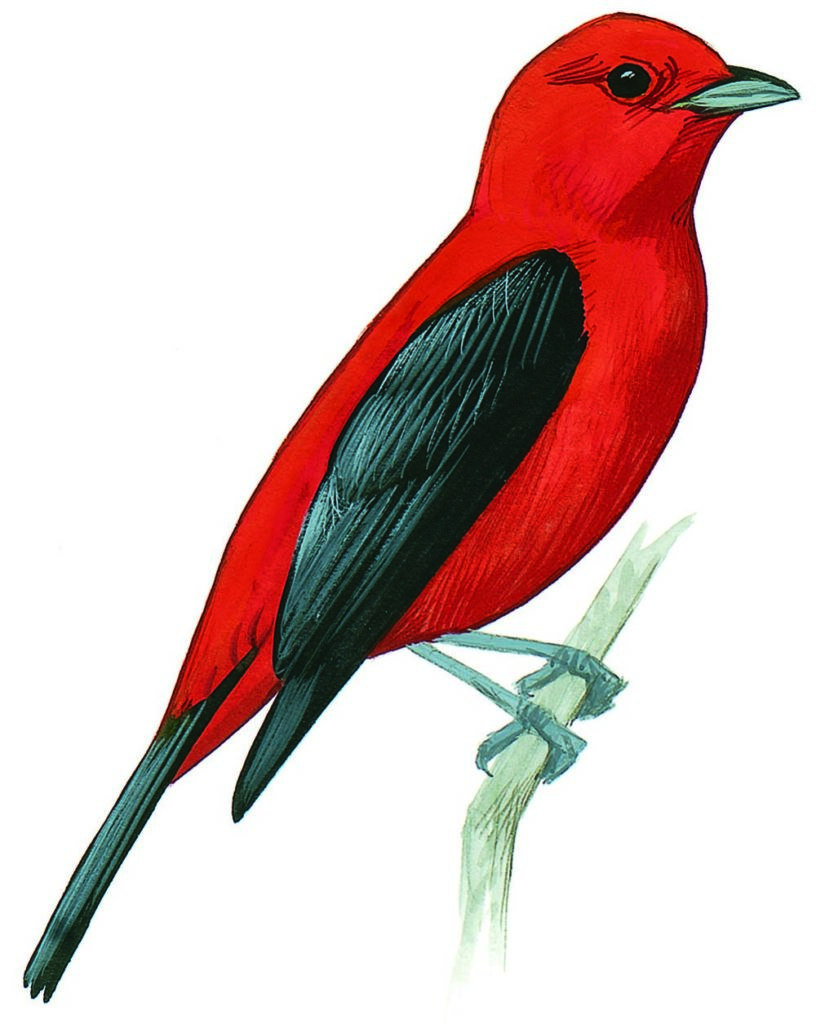
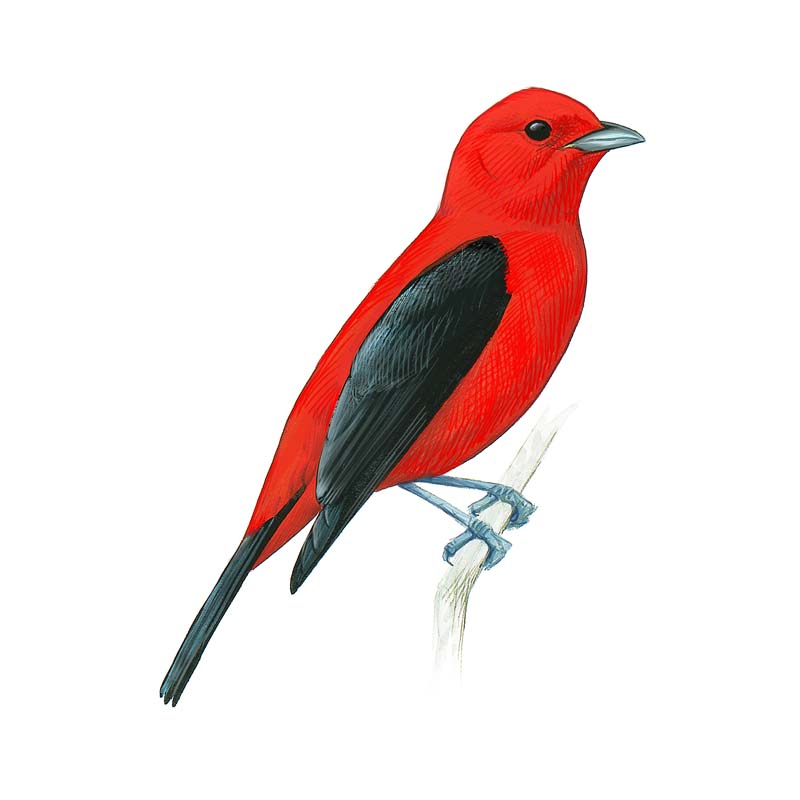
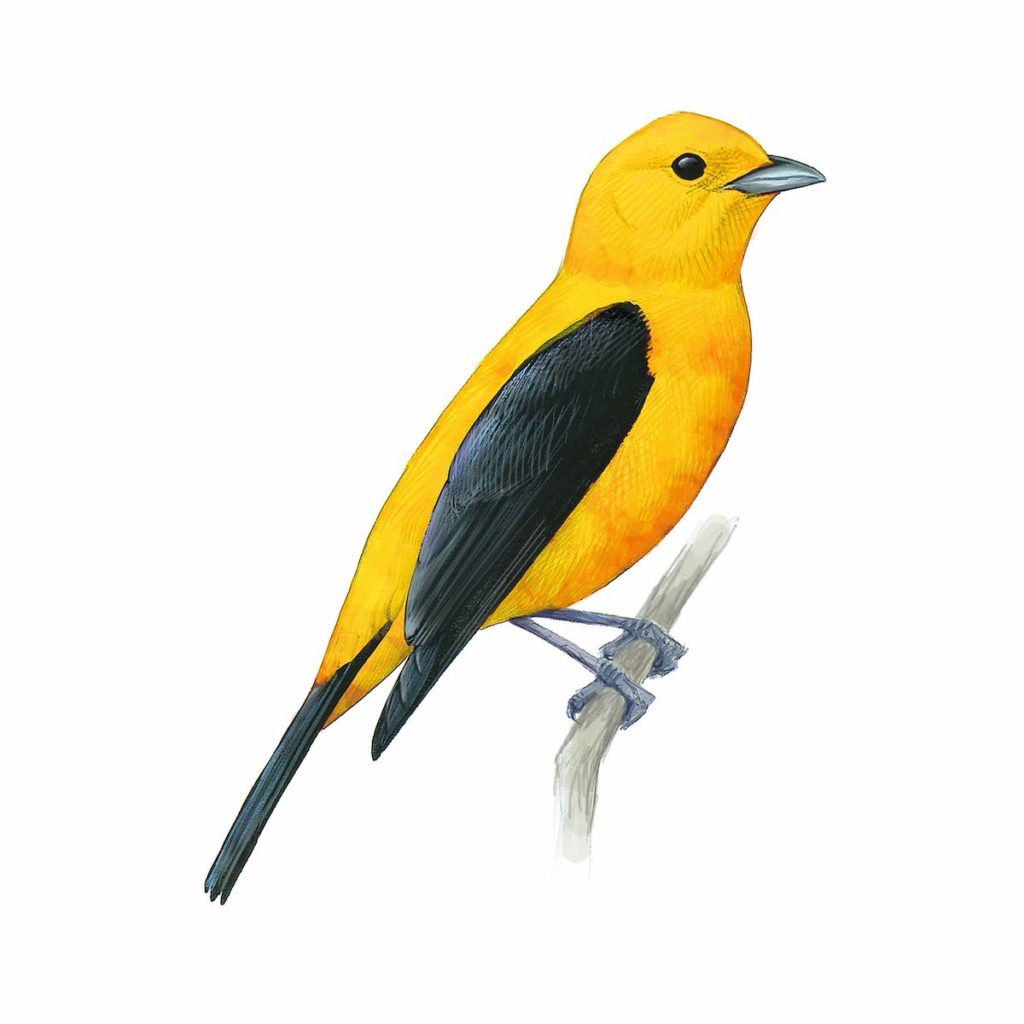
In late 2019 I started experimenting with digital art. A new iPad Pro with Apple Pencil, and the just-released Photoshop for iPad, proved to be – for me – liberating and empowering. It's so much more flexible and powerful than drawing or painting on paper, and details that would be impossible to get right in paint can be finessed by zooming in and touching up tiny areas. The workflow is also much easier, a rough sketch can become the base layer of a painting, without the need to transfer onto a new sheet of paper. And because most of my work is eventually converted to digital (scanned) for publication, working digitally from the beginning eliminates that whole troublesome step.
I've already updated dozens of images for the Sibley Birds app, and you can expect to see a lot more in the near future.
Christmas Crow Black and White Drawing
Source: https://www.sibleyguides.com/art-gallery/
0 Response to "Christmas Crow Black and White Drawing"
Post a Comment