what causes chemo related neuropathy to flare up
Chemotherapy-Induced Peripheral Neuropathy
Epitome
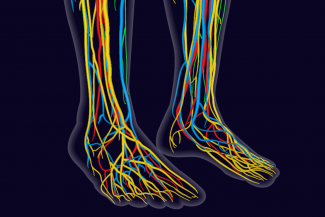
Peripheral neuropathy, or PN, is a condition that can crusade weakness and unpleasant sensations in your hands or feet, or sometimes in other parts of your torso. It's caused past impairment to the peripheral nerves — the nerves located outside of the encephalon and spinal cord.
The brain and spinal cord make upward the central nervous system. The peripheral nervous system connects your primal nervous system to your organs and limbs. Peripheral neuropathy may be caused by some medications prescribed for seizures, high blood pressure or cancer. It can besides be acquired by disease itself, such every bit cancer and diabetes.
Chemotherapy-induced peripheral neuropathy (CIPN) is a specific blazon of PN. It's caused when chemotherapy drugs cause harm to nervus cells by dissentious their structure and/or their power to function as they should.
About Peripheral Nerves
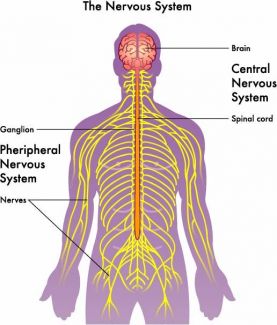
There are three primary types of peripheral nerves:
- Sensory nerves, which aid you feel touch, pain, temperature and position
- Motor fretfulness, which help you motion and maintain muscle tone
- Autonomic nerves, which automatically regulate such trunk processes as animate, heartbeat and digestion
Virtually neuropathies affect the sensory fretfulness, merely motor and autonomic fretfulness tin also exist affected.
Possible Symptoms of Peripheral Neuropathy
- Tingling, "pins & needles," numbness
- Burning, discomfort, sharp pains
- An unpleasant sensation when touching or beingness touched
- Inability to sense heat or cold
- Weakness
- Trouble picking upward or belongings objects
- Problems with residual or walking (awkwardness)
Who Is at College Risk For CIPN?
The risk factors below may make information technology more likely for yous to get CIPN. Having one or more than of these factors doesn't mean you will get PN; everyone is different. There are people who have a few risk factors and don't get PN, and others with no chance factors who do.
Drug and dose: The total amount of CIPN-inducing drugs you received is high. You had high doses of CIPN-inducing drugs at each infusion.
Historic period: Older people are at higher risk.
Preexisting conditions: Neuropathy began before chemotherapy, or it was caused past the cancer. Poor kidney part means it takes longer for the body to get rid of creatinine, a waste material product created by the muscles.
Personal history: History of smoking or exposure to other agents that are toxic/harmful to nerves.
What Anti-Cancer Drugs Are About Likely to Crusade CIPN?
- Platinum-based drugs: cisplatin/Platinol®, oxaliplatin/Eloxatin®, carboplatin/Paraplatin®
- Taxanes: paclitaxel/Taxol®, docetaxel/Taxotere®, cabazitaxel/Jevtana®
- Thalidomide and its relatives: carfilzomib/Kyprolis®, lenalidomide/Revlimid®, pomalidomide/Pomalyst®, apremilast/Otezla®
- Epothilones: ixabepilone/Ixempra®
- Proteasome inhibitor: bortezomib/Velcade®
- Vinca alkaloids: vincristine/Marqibo®, vinblastine/Velbane®
The neuropathy acquired by most of these drugs commonly shows up weeks or months later on treatment has concluded. Paclitaxel and oxaliplatin are exceptions; they can cause neuropathy during or immediately after infusion.
Your doctors and nurses volition practice all they tin can to minimize the risk while maintaining the effectiveness of your treatments. Unfortunately, right now there is no mode to completely prevent PN. Research studies go along to search for means to prevent and treat peripheral neuropathy.
Frozen Socks and Gloves? The Search for Answers
These medications/agents have been studied as possible ways to relieve CIPN: anti-seizure drugs, antidepressants and some loftier blood pressure drugs; glucocorticoids (steroids); neuro and chemo protectants; hormones; amino acids; vitamins; copper-chelating agents; supplements; enzymes; electrolytes (calcium/magnesium); omega-3s; cold; longer infusion time; and practise.
After reviewing mixed results of clinical trials and pilot studies, the American Society of Clinical Oncology (ASCO) determined that there was non enough evidence to recommend that patients receive any of the tested agents to prevent CIPN or lower the risk of developing it.
ASCO says some agents should not exist given to patients, because they made the CIPN worse or caused unacceptable side effects: acetyl-L-carnitine, amifostine, amitriptyline, calcium/magnesium infusions (for oxaliplatin patients), gluthathione, nimodipine, retinoic acrid, recombinant human leukemia inhibitory factor (rhuLIF) and vitamin Eastward.
A few agents look promising, simply more enquiry is needed before ASCO can make any recommendations about them. They include carbamazepine, glutamate, goshajinkigan, omega-3 fatty acids and venlafaxine.
Studies showed that using frozen socks and gloves before, during and later infusion may lessen symptoms, and do may offer some protection from CIPN. Again, these are early reports, and there is not enough bear witness to recommend their use at this fourth dimension.
To treat existing CIPN, ASCO recommends the prescription antidepressant duloxetine. In the U.S., it is sold under the brand names Irenka® and Cymbalta.®
What Tin I Do to Relieve My CIPN?
- Do non have any medications or supplements that accept not been prescribed by your medico.
- Walking, depression back stretches and calf stretches can help keep your muscles flexible.
- Try pes and hand massages to relieve stiffness. Clean lotions and creams off afterward.
- You can buy special equipment in wellness supply stores to aid you dress: zipper pulls, buttoners, etc., and special pens, pencils and utensils that are easier to concord.
- Wear shoes that go over the insteps of your feet.
- Wear gloves and warm socks in common cold weather.
- Avoid booze and drugs that may affect your balance, coordination or alacrity.
How Can I Reduce My Risk of Injury?
If you have lost feeling in your easily or anxiety, you'll need to rely more than on your vision. Hither are some rubber tips:
- Exist sure you tin come across well anywhere yous walk or do activities.
- Keep switches and lamps at entrances and then you lot tin light a room before you enter it. Keep a flashlight with you. Put a low-cal on your keychain. Use nightlights along paths y'all may walk at night — for example, to the bathroom or a child's room.
- Put handrails on both sides of all stairways and hallways.
- Cover stairs and floors with a non-glare, non-sideslip surface.
- Remove all the clutter from stairways and hallways.
- Wipe up spills immediately.
- Tape or tack downwards carpet and rugs. Mats should accept a not-skid bankroll.
- Practice not use chairs, stands or tables with wheels.
- Because you take reduced feeling in your hands and/or anxiety, you are at risk for rut injuries. Ask someone to test the water temperature before you put in your hand or pes.
Never miss another Cancer Talk blog!
Sign up to receive our monthly Cancer Talk e-newsletter.
Sign upwardly!
Does CIPN Become Improve After Chemotherapy?
For many people, yes. As mentioned, in most cases CIPN symptoms build gradually, getting worse with each infusion. Symptoms flare up right later the infusion and calm downwardly by the adjacent dose. It is common for symptoms to summit virtually three to v months after the last dose of chemotherapy. Subsequently, symptoms may gradually lessen in intensity, disappear or touch fewer areas of the trunk. Unfortunately, for some survivors, CIPN becomes permanent.
Researchers at the Oregon Health Sciences University conducted a study of CIPN in 513 female cancer survivors — mostly breast cancer patients, with an boilerplate age of 62. They institute that 47% reported CIPN symptoms half-dozen years after the end of handling. They walked slower, had a higher level of disability and were more than probable to autumn, and their quality of life had suffered. The researchers besides observed that early interventions, such every bit exercise programs and asking patients about their CIPN symptoms, seemed to help preserve the patient's quality of life during and subsequently treatment. The researchers wondered if early intervention is helpful because providers have shied abroad from discussing CIPN with their patients because of a lack of treatment options to offering.
Where Can I Turn for Assistance?
- Ask your nurse for a copy of the Patient Education brochure "Peripheral Neuropathy," or pick up a re-create in the Patient & Family Resource Centre on the beginning floor of the infirmary, within the Sunflower Café. You can detect information technology online in the Patient Education Library in the patient portal (MyRoswell).
- Your dr. or nurse may take specific suggestions.
- Concrete and occupational therapists can help with exercise programs and adaptive devices for piece of work or home.
- You lot may wish to take a podiatrist care for your feet.
- The Foundation for Peripheral Neuropathy tin provide general information and help locate a support group. Call ane-877-883-9942.
- The Neuropathy Action Foundation promotes sensation, education and empowerment for those with neuropathy, regardless of what caused it.
andersonconalothe1964.blogspot.com
Source: https://www.roswellpark.org/cancertalk/202001/chemotherapy-induced-peripheral-neuropathy#:~:text=Chemotherapy%2Dinduced%20peripheral%20neuropathy%20(CIPN,to%20function%20as%20they%20should.
0 Response to "what causes chemo related neuropathy to flare up"
Post a Comment